
Summer Plumbing Emergencies in Boise: The Most Common Warm-Weather Failures (and What to Do)

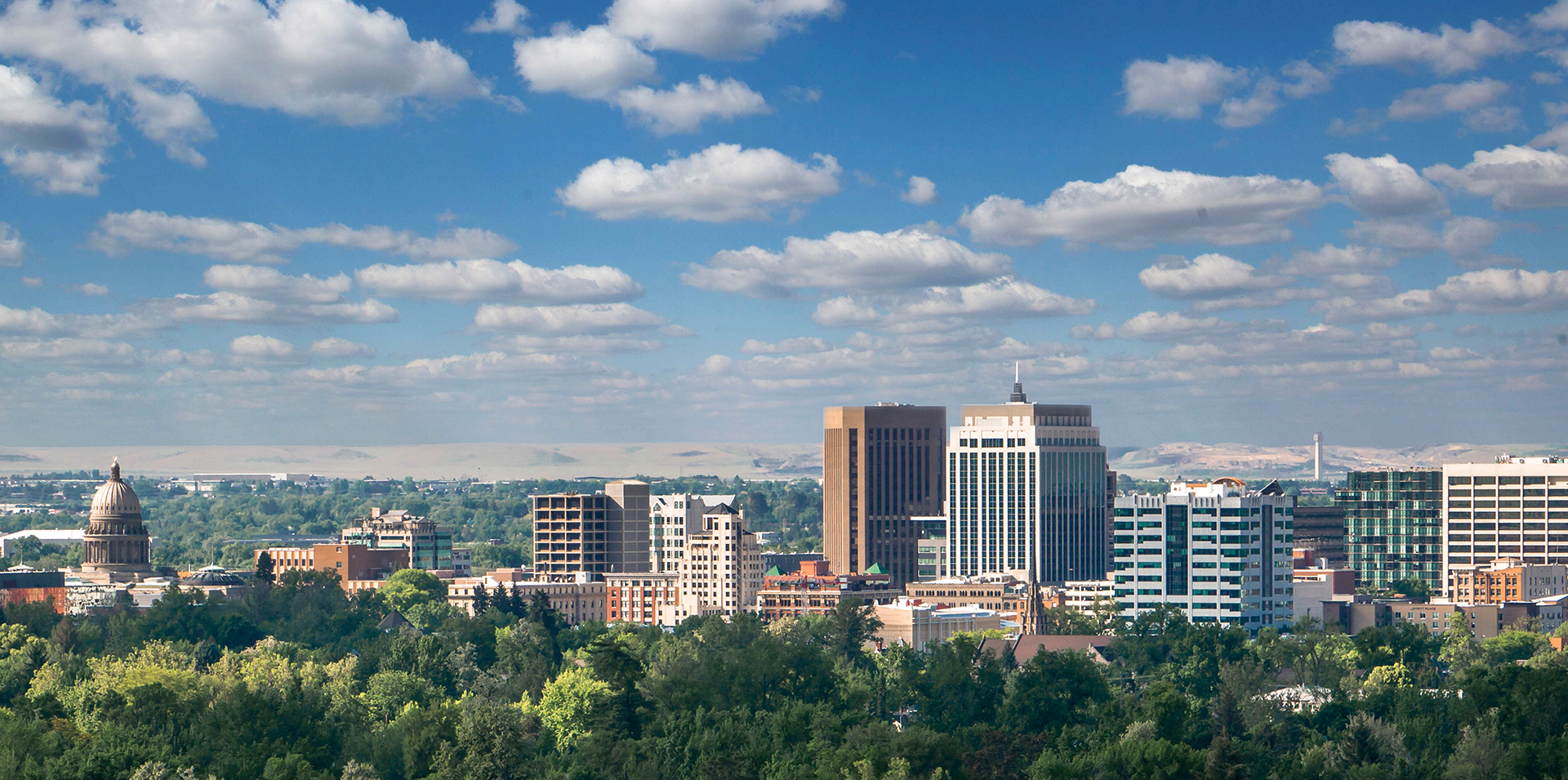
When most people picture a plumbing disaster, they think of a frozen pipe bursting in January. But here in the Treasure Valley, some of the worst plumbing failures actually happen when the temperature climbs. Summer plumbing emergencies in Boise spike for very specific reasons: tree roots grow fast and chase the moisture inside your sewer line, household water use jumps when the kids are home and the grill is going, and our long, hot, dry stretches put real stress on pipes, irrigation systems, and water heaters all at once.
At Five Star Service Pros Plumbing, we have seen the summer rush firsthand across Boise, Meridian, Eagle, and Nampa. We are a locally owned company that has served the Treasure Valley since 2018, and our owner brings roughly 40 years of plumbing experience to every call. We also answer the phone around the clock, because a backed-up sewer or a leaking water heater does not wait for business hours.
This guide walks through the warm-weather failures we see most often, why they happen in our climate, the quick steps you can take to limit the damage, and how to keep them from happening in the first place. When the situation is past the DIY stage, you will know exactly when to pick up the phone.
Why Summer Plumbing Emergencies in Boise Are So Common
Summer creates a perfect storm of stress on your home’s plumbing. Three things happen at once in the Treasure Valley. First, trees and shrubs grow aggressively in the warm months, and their roots actively seek out water. The moisture inside your sewer line is exactly what thirsty roots are looking for, so they push into cracks and joints and slowly choke the pipe. Second, water demand skyrockets, more showers, more laundry, more dishes, more guests, and a lot more outdoor watering. Third, our hot, dry climate causes the ground to shift and contract as it loses moisture, which can stress already-aging pipes.
Add Boise’s notoriously hard water and the strain on irrigation lines, and it is easy to see why our 24/7 phone stays busy from June through September. The good news is that most of these emergencies give you warning signs, and almost all of them are preventable with a little attention.
The Most Common Warm-Weather Plumbing Failures
1. Sewer Line Backups
This is the big one. Sewer backups become far more common in summer because tree roots grow vigorously and infiltrate the line, while higher household water use pushes more waste through a pipe that may already be partially blocked. Watch for the early warning signs: multiple slow drains, gurgling toilets, a foul sewage smell near floor drains, or water backing up in a tub when you flush.
What to do: Stop running water immediately, do not flush, and avoid the laundry and dishwasher. If raw sewage is coming up through a drain, keep everyone away from it and call for emergency help. A sewer backup is a health hazard and gets worse fast, so this is a job for a professional, not a bottle of drain chemicals. If roots are the culprit, our team can confirm it with a camera inspection. (For more on this, see our article on your pipes versus tree roots.)
2. Clogged Kitchen and Bathroom Drains
Summer means cookouts, houseguests, and a garbage disposal working overtime. Grease from the grill, corn husks, fruit rinds, coffee grounds, and fibrous food scraps are some of the worst things you can send down a disposal, and they build up into stubborn clogs. More people in the house also means more hair and soap scum in bathroom drains.
What to do: Never pour cooking grease or oil down the drain, let it cool and toss it in the trash. For a slow drain, try a plunger or a drain snake before reaching for harsh chemicals, which can actually damage your pipes. When a clog keeps coming back or affects more than one fixture, it points to a deeper problem that professional drain cleaning will solve for good.
3. Irrigation and Sprinkler Line Problems
Boise runs largely on pressurized irrigation drawn from the Boise River, and those systems get hammered all summer. Leaks, broken heads, and underground line breaks are common, and a hidden leak can quietly waste water and soak the ground near your foundation for weeks. Low pressure often signals a clogged filter or a buried leak somewhere in the system.
What to do: Walk your yard and look for soggy spots, unusually green patches, or geysers from broken heads. Know where your irrigation shutoff is so you can stop the flow if a line bursts. Underground leaks and supply-line breaks are best handled by a plumber who can locate the problem without tearing up the whole yard.
4. Water Heater Strain and Failure
You might think water heaters get a break in summer, but heavy household demand from extra showers, laundry, and dishes still pushes them hard, and our hard water leaves mineral sediment in the tank year-round. That buildup makes the unit work harder, lose efficiency, and eventually fail, sometimes by leaking all over the floor. A tank that pops, rumbles, or leaks is sending you a clear signal.
What to do: If you see water pooling around the base of your water heater, shut off the water supply to the unit and, for an electric heater, cut the power at the breaker. Then call for service before a slow leak becomes a flooded utility room. Our water heater repair and replacement team can tell you whether a flush, a repair, or a replacement makes the most sense.
5. Hose Bib and Outdoor Faucet Leaks
Outdoor spigots see constant use in summer for watering, washing cars, and filling pools. Connections loosen, washers wear out, and seals crack, leading to drips that waste water and can rot siding or seep toward your foundation. Because these leaks are outside, they often go unnoticed until the water bill arrives.
What to do: Check each hose bib for drips at the handle and where the hose connects. A worn washer is an easy fix, but a leak that comes from inside the wall or won’t stop when the handle is closed needs a plumber’s attention.
6. Washing Machine and Appliance Overload
Between beach towels, swimsuits, and visiting family, the washing machine runs nonstop in summer. Old or cracked supply hoses are one of the most common causes of indoor flooding, and a hose that lets go while no one is home can dump gallons of water per minute. Vacations make this worse, an undetected leak in an empty house has hours or days to do damage.
What to do: Inspect your washing machine hoses for bulges, cracks, or rust, and replace rubber hoses with braided stainless steel. Before you leave town, consider shutting off the main water supply, it is the single best way to protect a home you are leaving unattended.
How to Limit Damage While You Wait for a Plumber
When a true emergency hits, your first move is almost always the same: stop the water. Know where your main shutoff valve is before you ever need it, then act fast. Shut off the main, or the valve closest to the problem, to keep a bad situation from getting worse. Clear the area of anything that can be damaged, lay down towels, and avoid using any plumbing connected to the affected line. For a deeper walkthrough, read our guide on what action to take while you wait for service.
Then call in the pros. Our 24-hour emergency plumbing team serves Boise, Meridian, Eagle, Nampa, Caldwell, and the rest of the Treasure Valley every day of the year, with honest pricing and free estimates so you are never caught off guard.
Preventing Summer Plumbing Emergencies
A little prevention goes a long way in our climate. Schedule a sewer camera inspection if you have mature trees near your line, so roots are caught before they cause a backup. Flush your water heater to clear out hard-water sediment. Be careful what goes down the disposal during cookout season, and keep grease out of the drain entirely. Check your irrigation system and outdoor faucets at the start of summer, and again midseason. And if you are heading out of town, shut off the main water supply so a small leak cannot become a major flood while you are gone.
Frequently Asked Questions
Why do plumbing problems get worse in summer?
Several things stack up at once. Tree roots grow fast and invade sewer lines chasing moisture, household water use climbs with guests and outdoor watering, and Boise’s hot, dry weather shifts the soil around buried pipes. Add hard water and heavy irrigation use, and summer becomes one of the busiest seasons for plumbing emergencies in the Treasure Valley.
Is a sewer backup an emergency?
Yes. A sewer backup is both a health hazard and a fast-spreading source of property damage. Stop using all water, keep your family away from any sewage, and call a 24/7 plumber right away. The longer you wait, the more the contamination and damage spread.
Should I shut off my water before going on vacation?
It is one of the smartest things you can do. A burst washing machine hose or failing water heater in an empty home can flood the house before anyone notices. Shutting off the main supply takes seconds and can save you from thousands of dollars in water damage.
How fast can Five Star Service Pros respond to an emergency?
We offer 24/7 emergency plumbing across the Treasure Valley, so you can reach a real person any time of day or night. Call us and we will get a plumber headed your way as quickly as possible to stop the damage and fix the problem.
Don’t Wait, Call Five Star Service Pros 24/7
Summer plumbing emergencies do not keep convenient hours, and neither do we. Whether it is a sewer backup at 2 a.m., a leaking water heater on a holiday weekend, or a clogged drain in the middle of a family barbecue, Five Star Service Pros Plumbing is ready around the clock with honest pricing, free estimates, and decades of experience behind every job. Call us now at (208) 260-1765 or contact us online, and let Boise’s top-rated plumbers take care of it day or night.

Schedule Service

Recent Posts
Categories
archives




call our 24 hour
emergency plumbing hotline
Five Star Service Pros is committed to servicing your plumbing, sewer, flood, and drain cleaning needs in a timely and cost-efficient manner. Contact us today to set up your free quote!