Tankless vs. Traditional Water Heaters: What You Need to Know

When your water heater starts acting up, it rarely happens at a convenient time. Maybe your morning shower turns lukewarm halfway through, or you notice a small leak around the base of the tank. At that point, most homeowners have to make a decision: replace the old tank with another traditional unit, or upgrade to a tankless water heater.
Because Five Star Service Pros installs and services both traditional tank and tankless water heaters throughout Boise, Meridian, Eagle, Nampa, and Caldwell, they see the pros and cons of each option every day.
Here’s how to compare the two systems so you can choose what actually fits your home, budget, and hot water needs.
How Each System Works
A traditional tank water heater stores a large volume of hot water (often 40–50 gallons) and keeps it heated around the clock. When you open a tap, hot water flows from the tank until it’s depleted, then the tank has to reheat more.
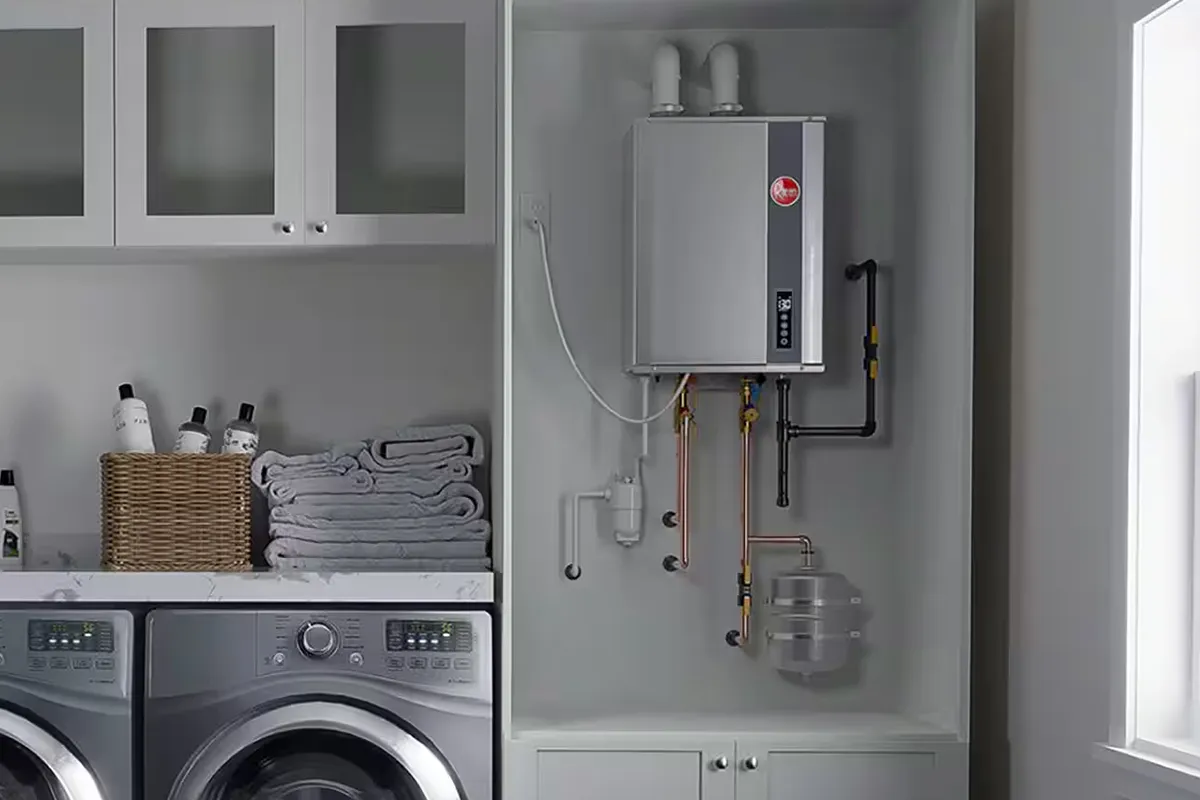
A tankless (on-demand) water heater, on the other hand, heats water as it passes through the unit. There’s no large storage tank – burners or electric elements fire only when you open a hot water tap. Because of that, tankless units are known for endless hot water within their designed flow rate and better efficiency for many households.
Upfront Cost vs. Long-Term Savings
For most homeowners, cost is the biggest factor.
- Traditional tank units usually cost less upfront to purchase and install, especially if you’re doing a like-for-like replacement with similar capacity.
- Tankless units typically have a higher initial price and may require upgrades like larger gas lines, venting changes, or electrical work, depending on your existing setup.
Over time, though, tankless systems often win on efficiency. Because they’re not constantly reheating a tank of water, they can reduce energy use and monthly utility bills, especially in homes with moderate to high hot water demand. That can be a big plus in the Treasure Valley, where heating costs already add up between cold winters and busy households.
If you plan to stay in your home for many years, the lower operating cost and longer lifespan of a tankless system can offset the higher upfront investment.
Lifespan and Maintenance in Boise’s Climate
In the Boise area, water heaters work hard. Hard water, mineral buildup, and seasonal temperature swings all take a toll.
- Traditional tanks typically last around 8–12 years with proper maintenance. Sediment builds up at the bottom of the tank, which can reduce efficiency, cause popping noises, and eventually lead to leaks. Annual flushing and anode rod checks can extend life.
- Tankless units can often last 15–20 years or more when maintained correctly. They still need descaling and filter cleaning to manage mineral buildup from hard water.
Because Five Star Service Pros routinely deals with hard water issues, they often recommend pairing either type of heater with regular maintenance and, in some cases, water treatment, especially in homes with chronic scale buildup.
Hot Water Demand: How Many People Live in Your Home?
Your household size and usage patterns matter more than most people realize.
A traditional tank is usually sized by capacity: 40, 50, or 75 gallons. If several people shower in the morning, run laundry, and use the dishwasher, it’s possible to “outrun” the tank and end up with cold water temporarily.
A tankless unit is sized by flow rate: how many fixtures can run at once while still delivering comfortable hot water. In many Boise-area homes, a properly sized tankless unit can comfortably handle:
- A shower and a sink
Or a shower plus a dishwasher - Or two showers in smaller, efficient homes
Larger families or homes with multiple bathrooms may need a higher-capacity tankless unit or even a second unit for dedicated zones (for example, one for the main house and one for an in-law suite or shop with a bathroom).
Space and Installation Considerations
Space is another big difference.
- Traditional tanks take up a decent footprint, often in a utility room, basement, or garage.
- Tankless units are wall-mounted and compact, which is a big advantage in smaller Boise homes, townhouse-style builds, and properties where you want to free up floor space.
On the flip side, tankless installations can require more planning: proper venting, gas line sizing, and access for service. That’s where using an experienced installer like Five Star Service Pros helps – they already handle tank and tankless installs across the Treasure Valley and can tell you what’s realistic for your home.
Which Option Is Right for You?
Here’s a quick way to think about it:
Choose a traditional tank if you:
- Want the lowest upfront cost
- Are replacing an older tank in place and don’t plan to stay in the home long-term
- Have predictable hot water needs and don’t mind occasional recovery time
Consider going tankless if you:
- Plan to stay in your home for many years
- Want lower energy use and longer system life
- Have tight utility spaces and like the idea of a wall-mounted unit
- Are tired of running out of hot water during back-to-back showers
Whichever way you go, proper sizing and professional installation are what actually make the difference in comfort and long-term costs. Five Star Service Pros installs and services both tank and tankless water heaters throughout Boise, Meridian, Eagle, Garden City, Nampa, and Caldwell, so they can walk you through the best option for your specific home rather than pushing a single solution!
Schedule Service

Recent Posts
Categories
archives


call our 24 hour
emergency plumbing hotline
Five Star Service Pros is committed to servicing your plumbing, sewer, flood, and drain cleaning needs in a timely and cost-efficient manner. Contact us today to set up your free quote!